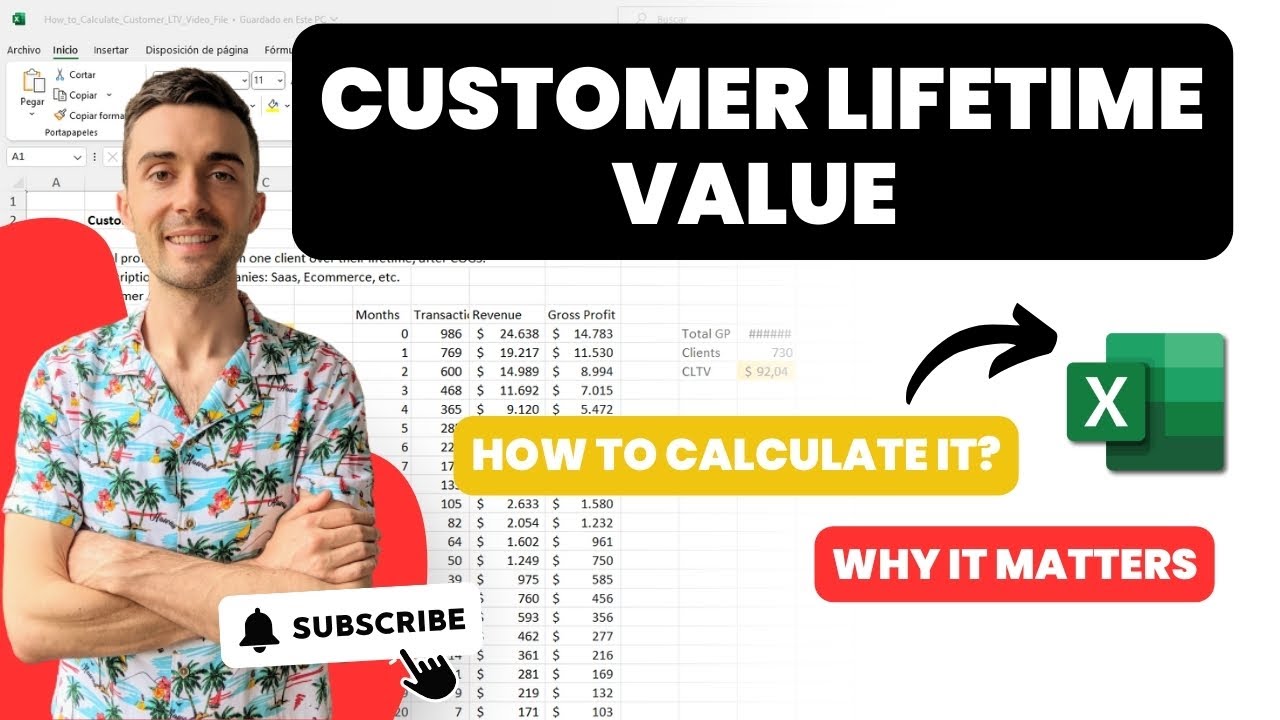
There are several key strategies that a tech startup can utilize to maximize the lifetime value of their customers. Customer lifetime value, or CLV, is one of the most important metrics for any business, but especially early-stage companies, as acquiring new customers can be very costly. Maximizing CLV allows a startup to scale in a sustainable way and become profitable over the long run. Some of the top approaches a tech startup should consider include:
Offer exceptional customer experience and support. Providing a positive customer experience from the very first interaction is essential to boosting loyalty and repeat business. Customers want their problems solved quickly and easily, so a startup needs to have robust and empathetic customer support available via phone, email, chat, and social media. Responding to customers in a timely manner, thoroughly addressing their issues, and going above and beyond to satisfy them will reduce churn and encourage customers to stick around longer. Regularly surveying customers for feedback on how to improve the product and experience will keep the startup customer-centric as it grows.
Personalize the customer journey. With growing amounts of customer data at their fingertips, startups should leverage analytics and machine learning to personalize communications, product recommendations, and prompts along each stage of the customer journey. Sending targeted, 1-to-1 messages about new features or upgrades based on a customer’s past usage and profile helps keep them engaged longer. Marketers can also incorporate behavioral triggers to automatically reach out to at-risk customers showing signs they may churn, such as reduced login frequency or usage, in order to re-engage them. Personalization makes customers feel valued and that the product was made specifically for their needs.
Deliver continuous value and innovation. Customers don’t want to stick around for a static product – they need to feel ongoing value from a startup over the long run. This means evolving the core product and adding new features, functionality, and integrations on a regular basis based on market and customer feedback. New capabilities should be continuously released to give subscribers compelling reasons to keep their subscriptions active year after year, whether that’s enhanced personalization, new analytics, improved productivity tools, or expanded platforms. Continuous innovation also protects against customer churn when competitors release upgrades of their own.
Cross-sell and upsell strategically. For any startup to scale in a sustainable way, they need customers to increase their spending amounts over time. This is where cross-sell and upsell opportunities come into play. Startups should analyze customer usage and profiles to strategically recommend add-on services, premium subscriptions, expanded licenses, and integrated partner solutions that provide more value. Digital prompts, success stories, and 1:1 outreach can effectively promote these opportunities without seeming pushy. Bundling and pricing options also create easy pathways for customers to expand their relationships. If executed properly, upselling leads to higher lifetime customer value.
Build community and loyalty programs. Fostering a sense of community around a startup’s product and brand is important for CLV. Encouraging user-generated content like case studies, how-to guides, and success stories brings customers together and spreads valuable word-of-mouth referrals. Loyalty programs, online forums, meetups, conferences, newsletters and social networks allow customers to connect, contribute, and feel invested in the company’s continued growth. Access to personalized perks, exclusive early-access features, discounts and other rewards through loyalty tiers increases stickiness. Customers want to socially engage with others using the same solutions they rely on.
Expand strategic partnerships. Strategic technology and channel partnerships open up cross-sell and upsell possibilities by allowing customers to seamlessly adopt additional solutions from partner vendors, often at bundled pricing. This expanded ecosystem of integrated products enriches the overall customer experience and creates dependencies that encourage long-term retention. For example, a startup security provider partnering with major cloud infrastructure platforms could promote each other’s offerings and create migration and purchase incentives for overlapping customer bases. Partnerships diversify the CRM network effect.
Quantify and improve ROI. Continuous A/B testing, conversion analysis, and customer data modeling allow startups to accurately attribute customer acquisition costs to expected CLVs based on profile attributes, then refine strategies over time. Experimenting with pricing plans, on-boarding flows, marketing campaigns, product features and engagement programs pinpoints the initiatives delivering the highest ROI. Quantitative analysis ensures limited early-stage funding translates into strong positive LTV:CAC ratios and profitability as the business scales. Data-driven decision making maximizes the return achievable through future cohorts.
A strategic focus on customer experience, personalization, innovation, cross-sell/upsell, community/loyalty programs, partnerships and ROI optimization are essential for tech startups seeking to maximize customer lifetime value from their initial customer base and through future acquisition efforts. Reliable CLV tracking, modeling and attribution analysis helps young companies get customer economics right from the start to accelerate growth in a sustainable way on their path toward long-term success.